Commercial Interior Design vs Traditional Office Setup: Key Differences
Commercial Interior Design vs Traditional Office Setup: Key Differences
As businesses evolve, so do their workspace requirements. Gone are the days when offices were limited to simple desks, cabins, and fluorescent lighting. Today, organizations are increasingly choosing commercial interior design over traditional office setups to create work environments that are functional, flexible, and aligned with modern business goals.
Understanding the difference between commercial interior design and traditional office setup is essential for businesses planning a new office or upgrading an existing one. This blog explores the key differences and explains why modern commercial interiors are becoming the preferred choice for companies across industries.
1. Concept & Design Philosophy
Traditional Office Setup
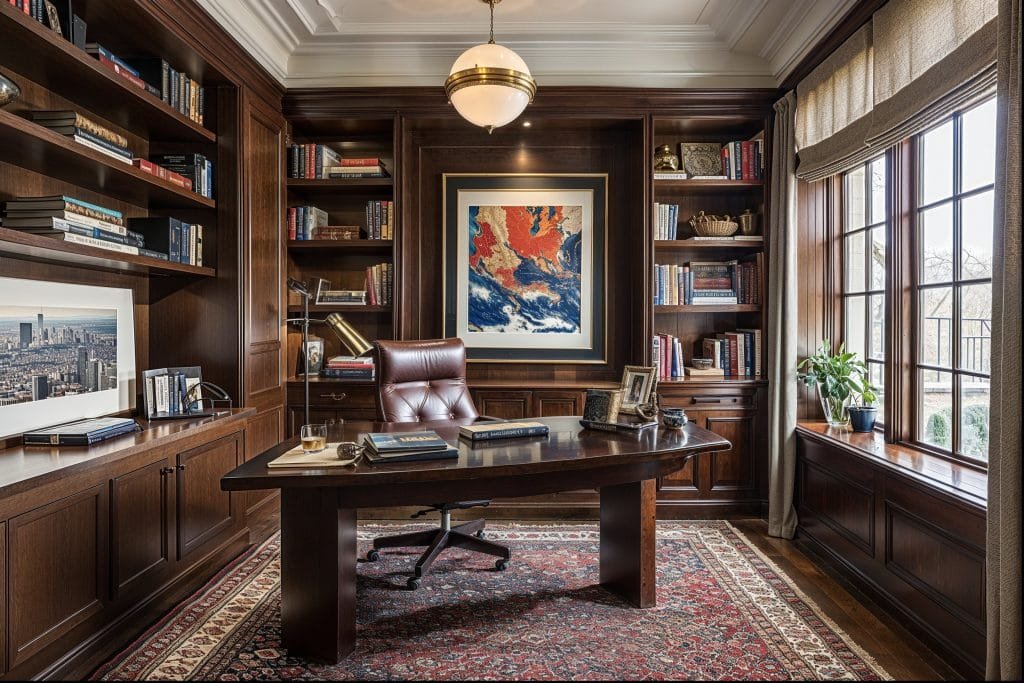
Traditional offices focus primarily on basic functionality. The design approach is simple and uniform, often following a fixed layout with closed cabins, rows of desks, and limited attention to aesthetics or brand identity.
The main goal is to provide a working space—nothing more, nothing less.
Commercial Interior Design
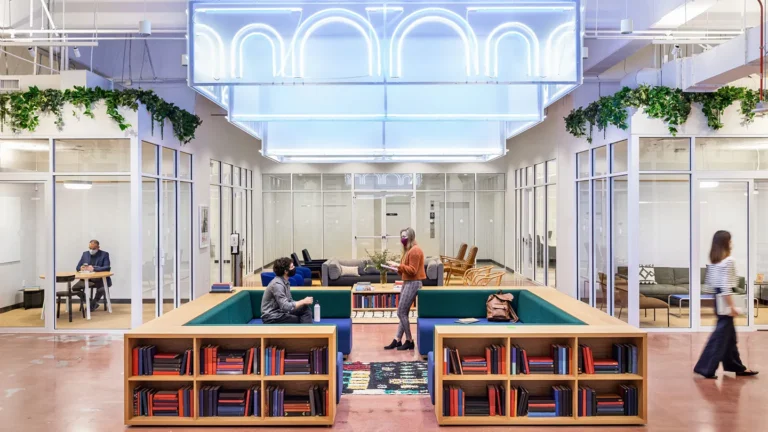
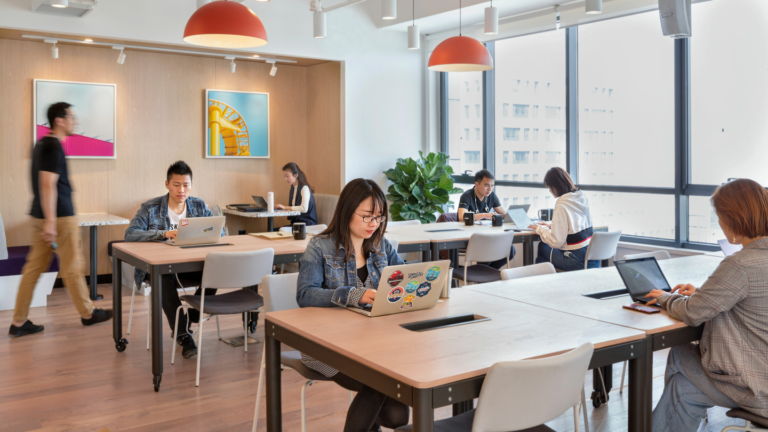
Commercial interior design follows a strategic and holistic approach. It blends functionality, aesthetics, branding, and employee experience into one cohesive design.
Modern commercial interiors are planned based on:
Business operations
Work culture
Employee workflow
Brand values
This approach ensures that the office supports both productivity and long-term growth.
2. Space Planning & Layout Efficiency
Traditional Office Setup
Traditional offices usually follow rigid layouts with fixed workstations and cabins. These designs often lead to:
Poor space utilization
Limited flexibility
Congested movement areas
Such layouts are difficult to modify as the business grows or changes.
Commercial Interior Design
Modern commercial interiors focus on smart space planning to maximize every square foot—especially important in high-cost cities like Mumbai.
Key features include:
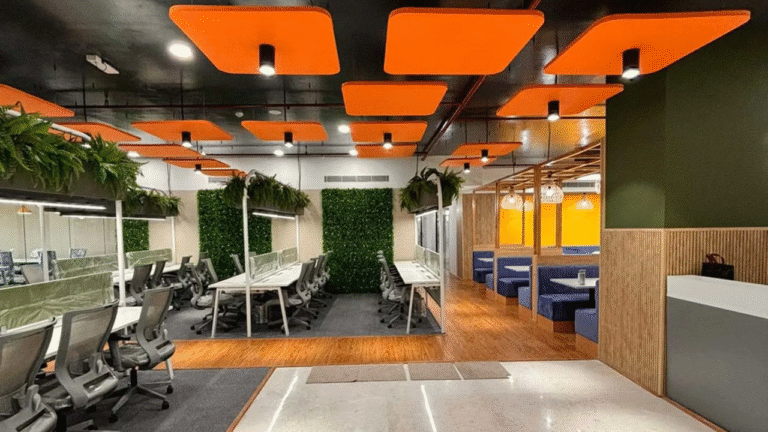
Open-plan layouts
Flexible work zones
Multi-functional spaces
Optimized circulation paths
This results in efficient space usage and improved workflow.
3. Flexibility & Scalability
Traditional Office Setup
Traditional setups lack flexibility. Furniture and layouts are usually permanent, making future changes expensive and disruptive.
As businesses expand, traditional offices struggle to adapt.
Commercial Interior Design
Flexibility is a core feature of commercial interior design. Modular furniture, movable partitions, and adaptable layouts allow businesses to scale easily.
This makes modern offices future-ready and suitable for:
Growing teams
Hybrid work models
Departmental restructuring
4. Employee Comfort & Ergonomics
Traditional Office Setup
Employee comfort is often overlooked in traditional offices. Standard furniture, poor seating posture, and inadequate lighting can lead to fatigue and health issues.
This negatively impacts productivity and employee morale.
Commercial Interior Design
Commercial interior design prioritizes ergonomics and well-being.
It includes:
Ergonomic chairs and adjustable desks
Proper lighting and ventilation
Noise control solutions
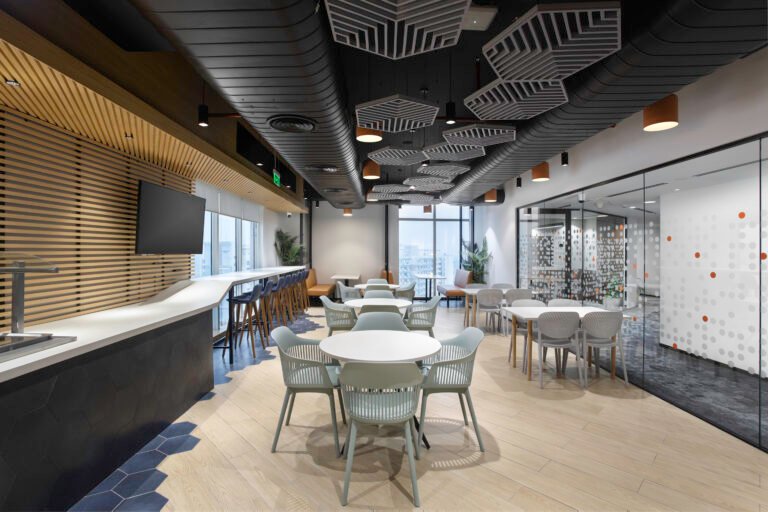
Comfortable breakout areas
Healthier employees lead to higher efficiency and job satisfaction.
5. Aesthetics & Brand Identity
Traditional Office Setup
Traditional offices typically lack visual appeal. Neutral colors, basic furniture, and minimal décor make the workspace dull and uninspiring.
Brand representation is often limited or absent.
Commercial Interior Design
Modern commercial interiors are designed to reflect brand identity and company culture.
Design elements include:
Brand colors and logos
Customized wall graphics
Contemporary materials and finishes
Creative design concepts
A visually appealing office boosts brand image and creates a strong impression on clients and employees alike.
6. Technology Integration
Traditional Office Setup
Technology integration in traditional offices is often unplanned. Visible wiring, limited connectivity, and outdated infrastructure create clutter and inefficiency.
Commercial Interior Design
Commercial interiors seamlessly integrate technology into the workspace.
This includes:
Concealed wiring and structured cabling
Smart lighting and climate control
AV-enabled meeting rooms
Tech-friendly workstations
A tech-enabled office improves operational efficiency and supports modern work requirements.
7. Collaboration & Work Culture
Traditional Office Setup
Traditional office layouts promote individual work but limit interaction. Closed cabins and fixed seating reduce collaboration and idea-sharing.
Commercial Interior Design
Modern commercial interiors are designed to encourage collaboration and teamwork.
They feature:
Open collaboration zones
Informal meeting spaces
Glass partitions for transparency
Brainstorming and innovation rooms
These spaces help foster creativity and improve communication.
8. Sustainability & Energy Efficiency
Traditional Office Setup
Sustainability is rarely considered in traditional office designs. Energy consumption is high due to outdated lighting, ventilation, and materials.
Commercial Interior Design
Sustainability is a key aspect of modern commercial interiors.
Eco-friendly features include:
LED lighting systems
Natural light optimization
Sustainable materials
Energy-efficient HVAC systems
Green interiors reduce operational costs and support environmental responsibility.
9. Cost Efficiency in the Long Run
Traditional Office Setup
While traditional offices may appear cost-effective initially, they often lead to higher long-term expenses due to:
Frequent maintenance
Inefficient space usage
Costly renovations
Commercial Interior Design
Commercial interior design is a long-term investment. Efficient layouts, durable materials, and future-ready designs reduce maintenance and upgrade costs over time.
Businesses benefit from better ROI and lower operational expenses.
10. Adaptability to Modern Work Trends
Traditional Office Setup
Traditional offices struggle to adapt to modern work trends such as hybrid working, hot-desking, and collaborative workflows.
Commercial Interior Design
Modern commercial interiors are designed to support evolving work cultures.
They easily accommodate:
Hybrid and remote work models
Hot-desking systems
Flexible meeting spaces
Technology-driven collaboration
This adaptability makes commercial interiors ideal for modern businesses.
Conclusion: Which Is Right for Your Business?
The difference between commercial interior design and traditional office setup goes far beyond appearance. While traditional offices focus on basic functionality, modern commercial interiors are designed to enhance productivity, branding, flexibility, and employee well-being.
For businesses aiming to grow, attract talent, and stay competitive, investing in professional commercial interior design is the smarter and more future-ready choice.
If you’re planning a new office or upgrading an existing one, choosing a commercial interior design approach can transform your workspace into a strategic business asset.