How to Design an Office That Employees Love Coming To
In the past, offices were designed with one primary goal: fitting as many desks as possible into a space. Rows of workstations, harsh lighting, and uninspiring interiors were considered normal. But the modern workplace has changed dramatically. Today, companies are realizing that office design directly impacts employee happiness, productivity, and creativity.
A well-designed workplace isn’t just visually attractive—it makes people feel comfortable, motivated, and connected to their work.
At Dimensional Architects, we have seen this shift firsthand through our work on office and coworking projects across Mumbai. From startups to growing enterprises, one thing has become clear: when businesses invest in thoughtful office interior design, employees genuinely enjoy coming to work.
In this article, we share insights from our real-world projects and experiences to help businesses understand how to create an office design employees love.
Why Office Design Matters More Than Ever
Today’s workforce expects more than just a desk and a chair.
Employees want spaces that support focus, collaboration, creativity, and well-being. When offices fail to provide this, productivity drops and employees feel disconnected.
Modern companies are realizing that productive workspace design plays a critical role in workplace culture. The right environment can:
- Increase focus and efficiency
- Encourage collaboration
- Improve employee well-being
- Reduce stress and fatigue
- Strengthen company culture
At Dimensional Architects, we often tell clients that office design is no longer just about aesthetics—it’s about experience. The goal is to create an environment where people feel energized, comfortable, and inspired throughout their workday.
Understanding What Employees Truly Want from a Workspace
One of the biggest mistakes companies make is designing offices based only on management preferences.
But employees experience the space every day, so their needs should shape the design.
From our experience working with organizations in BKC, Mumbai, we have noticed that employees consistently value the following:
1. Comfort and ergonomics
Uncomfortable chairs, poor lighting, and cramped desks quickly lead to fatigue.
2. Quiet spaces for deep work
Open offices are great for collaboration but can become distracting without quiet zones.
3. Social and collaborative areas
Employees enjoy places where they can brainstorm or have casual discussions.
4. Natural light and fresh air
Workplaces that feel bright and open naturally boost mood and energy.
The best modern office design balances all these elements together.
The Power of Natural Light and Comfortable Environments
Natural light is one of the most powerful yet often overlooked aspects of workplace productivity design.
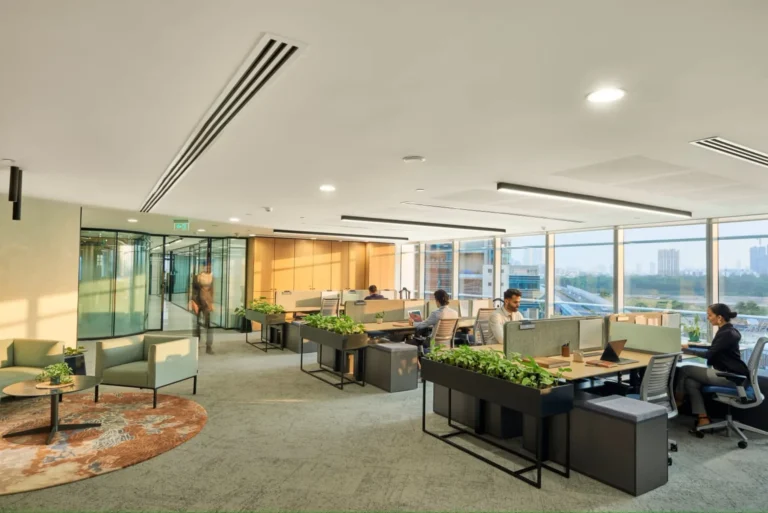
Offices that maximize daylight tend to feel more positive and energizing. Employees working near windows often report higher satisfaction and better focus.
When designing office spaces, we always try to:
- Position workstations closer to windows
- Use glass partitions instead of solid walls
- Avoid blocking natural light with bulky furniture
At Dimensional Architects, we often combine natural light with warm materials and neutral color palettes to create calm, welcoming work environments.
Comfort also extends to ergonomics. Adjustable chairs, proper desk heights, and thoughtful lighting help employees work longer without discomfort.
A comfortable environment makes a significant difference in creating an office design employees love.
Designing Spaces that Encourage Collaboration and Focus
The most successful offices today offer a variety of spaces rather than a single layout.
Employees move between different work modes throughout the day—sometimes they need quiet concentration, and other times they need collaboration.
This is why modern workplaces include:
- Open collaboration zones
- Meeting rooms for team discussions
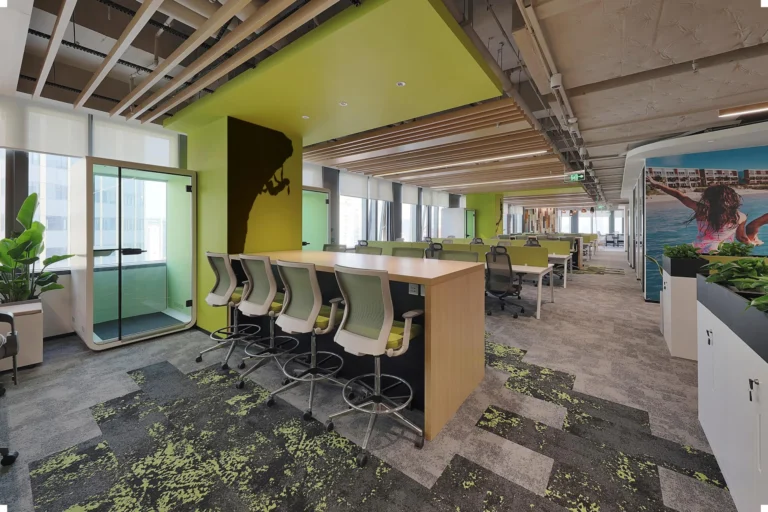
- Quiet pods for focused work
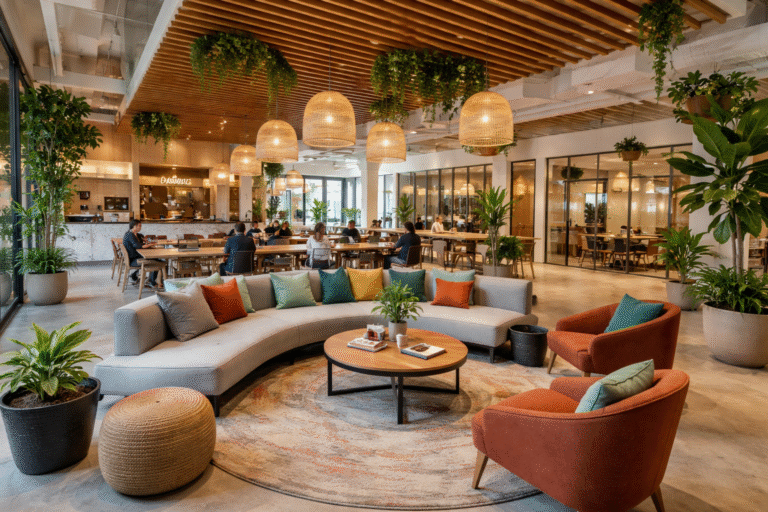
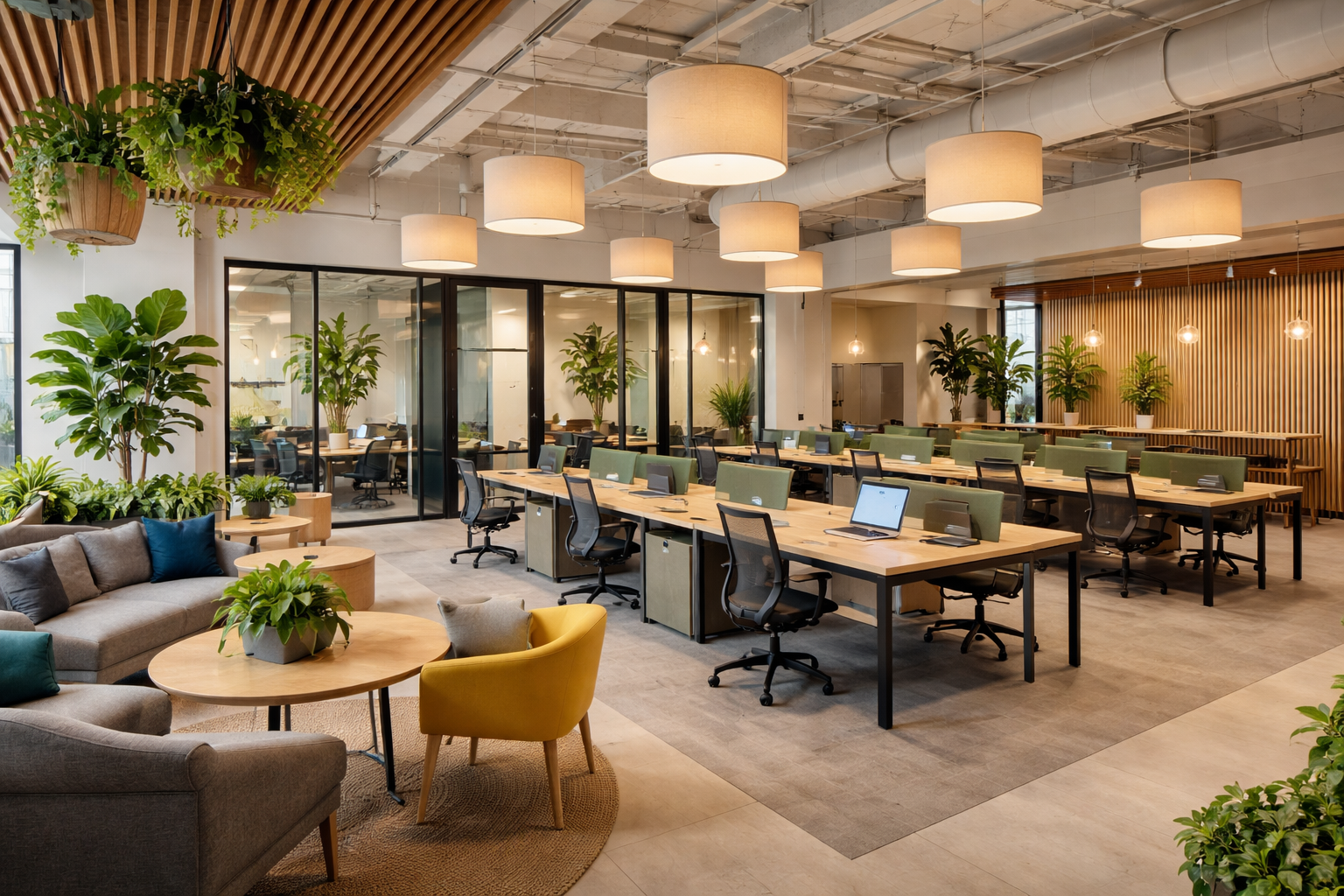
- Informal lounge areas for creative thinking
In many of our projects at Dimensional Architects, we design offices as a collection of experiences, not just a room full of desks.
For example, a casual breakout space with comfortable seating can encourage spontaneous conversations that often lead to new ideas.
At the same time, acoustic pods or small meeting rooms allow employees to concentrate without distractions.
Balancing these elements is essential for productive workspace design.
Creating Flexibility with Modern Layouts
The way people work today is far more flexible than before. Teams grow, departments change, and work styles evolve.
Rigid office layouts struggle to keep up with these changes.
Instead, modern offices are designed with adaptability in mind.
Some common strategies include:
- Modular furniture that can be rearranged easily
- Movable partitions to adjust space sizes
- Multi-purpose areas that serve different functions
- Shared workstations for hybrid teams
Flexible environments allow companies to adapt without constantly renovating their office.
This approach has become a cornerstone of modern office design, especially for startups and growing businesses.
The Psychology Behind Colors, Materials, and Textures
Office design isn’t only functional—it also affects how people feel.
Colors, materials, and textures can influence mood, creativity, and energy levels.
For example:
Soft neutral tones
Create calm and reduce visual stress.
Natural materials like wood
Bring warmth and comfort to the workspace.
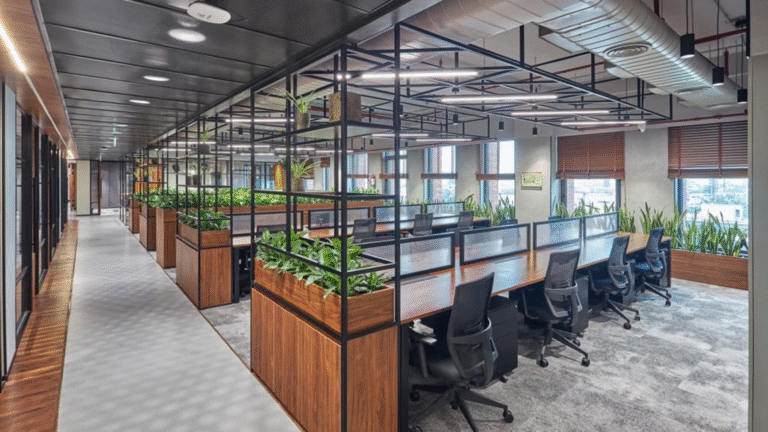
Green plants and biophilic design
Improve air quality and help employees feel more connected to nature.
Accent colors in collaboration areas
Stimulate creativity and interaction.
At Dimensional Architects, we carefully select materials and color palettes to align with a company’s brand while maintaining a balanced and comfortable environment.
Good office interior design should never feel overwhelming—it should feel intuitive and welcoming.
Inspiration from Modern Coworking Spaces
Some of the best examples of office design employees love can be found in well-designed coworking spaces.
Coworking environments often combine functionality with hospitality-style design, making them vibrant and inspiring places to work.
A great example is DA Business Centre, where thoughtful design plays a key role in creating an energizing work atmosphere.
Located in BKC and Andheri, these coworking spaces demonstrate how modern workspace design can bring together comfort, collaboration, and professionalism.
Instead of traditional office layouts, the spaces feature:
- Flexible seating arrangements
- Well-designed meeting areas
- Comfortable breakout zones
- Bright and welcoming interiors
These environments show how modern office design can support both productivity and community.
Our team at Dimensional Architects believes that businesses of all sizes can learn from the principles used in coworking spaces to create more engaging offices.
Practical Design Tips Businesses Can Apply Today
Not every company needs a complete renovation to improve their workplace.
Small design changes can make a surprisingly big difference.
Here are some practical tips we often recommend to clients:
1. Improve Lighting
Replace harsh fluorescent lighting with warmer, layered lighting solutions.
2. Add Greenery
Plants instantly make offices feel more alive and welcoming.
3. Create Breakout Areas
Even a small lounge corner can encourage collaboration and creativity.
4. Reduce Visual Clutter
Clean and organized spaces help employees focus better.
5. Invest in Ergonomic Furniture
Comfortable seating and adjustable desks improve long-term productivity.
6. Introduce Flexible Spaces
Allow rooms to serve multiple purposes depending on team needs.
These simple improvements can significantly enhance workplace productivity design.
How Thoughtful Design Transforms Workplaces
Office spaces are no longer just physical locations where work happens. They are environments that shape how people think, interact, and perform.
When businesses prioritize thoughtful office interior design, they create workplaces where employees feel valued and motivated.
At Dimensional Architects, our approach is always centered on people first. Every project we design aims to balance functionality, comfort, and aesthetics so that businesses can build workplaces that truly support their teams.
Whether it’s a corporate office or a dynamic coworking environment in BKC, Mumbai, the goal remains the same—to design spaces where people genuinely enjoy working.
Because when employees love their workplace, productivity improves, collaboration grows stronger, and companies thrive.
And that is ultimately what great office design employees love is all about.