10 Features Every Modern Coworking Space Must Have
Over the past few years, the way people work has changed dramatically. Startups, freelancers, remote teams, and growing businesses are all looking for flexible work environments that go beyond traditional offices. This shift has led to the rapid rise of coworking spaces across major cities.
But simply providing desks and internet is no longer enough.
Today, people expect coworking spaces to be comfortable, inspiring, productive, and community-driven. The design of a workspace now directly affects productivity, creativity, collaboration, and even employee well-being.
At Dimensional Architects, we have worked on multiple workspace and coworking projects, and one thing is very clear from our experience: the success of a coworking space depends heavily on its design and functionality. Through our real project experience, we’ve seen how thoughtful architecture and interior planning can transform an ordinary office into a thriving professional ecosystem.
In this article, Dimensional Architects share the 10 essential features every modern coworking space must have, based on practical insights, real observations, and design strategies that actually work.
1. Ergonomic and Comfortable Workstations
A coworking space is only as good as the comfort it provides to the people working there.
Professionals today spend long hours at their desks. Poor seating, wrong desk heights, and uncomfortable layouts can quickly lead to fatigue, back pain, and reduced productivity.
From our experience at Dimensional Architects, investing in ergonomic furniture is one of the smartest decisions coworking operators can make.
Modern coworking workstations should include:
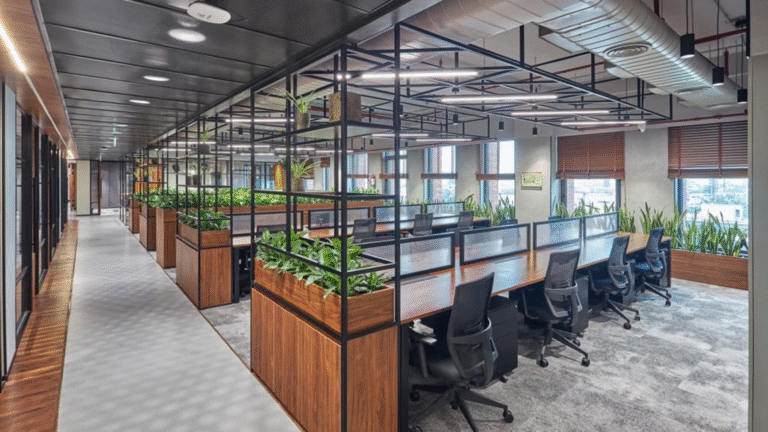
- Ergonomic chairs with lumbar support
- Proper desk height and leg space
- Monitor-friendly desk setups
- Adjustable seating options
When people feel physically comfortable, they naturally stay longer, work better, and become loyal members of the workspace.
2. High-Speed Internet and Reliable Tech Infrastructure
In a coworking space, internet is not a luxury — it is the backbone of the business.
Freelancers attend video calls, startups run cloud systems, designers upload large files, and teams collaborate online throughout the day.
A modern coworking environment must provide:
- High-speed fiber internet
- Strong Wi-Fi coverage in every corner
- Backup internet lines
- Adequate power outlets and charging points
At Dimensional Architects, when we design coworking layouts, we carefully plan network infrastructure and power distribution during the early design stage so that connectivity never becomes a problem later.
3. Flexible Seating and Layout Design
One of the biggest advantages of coworking spaces is flexibility.
Different professionals have different working styles. Some prefer quiet desks, others prefer collaborative tables, while some need private cabins.
A well-designed coworking space should include:
- Hot desks
- Dedicated desks
- Private offices
- Team pods
- Open collaborative tables
During several coworking projects handled by Dimensional Architects, we’ve observed that flexible layouts increase space efficiency and attract a wider variety of members.
Designing adaptable spaces ensures that the workspace evolves along with the community.
4. Meeting and Collaboration Spaces
Not every conversation should happen at a desk.
Modern work requires brainstorming sessions, team discussions, client meetings, and presentations. That’s why dedicated meeting rooms and collaboration spaces are essential.
An effective coworking space should offer:
- Small meeting rooms
- Conference rooms
- Brainstorming zones
- Video conference setups
From a design perspective, Dimensional Architects always recommends placing meeting rooms strategically so they are easily accessible but do not disturb the main work zones.
5. Acoustic Design and Sound Control
Noise is one of the most common challenges in coworking spaces.
Without proper acoustic planning, open layouts can quickly become distracting and uncomfortable for members trying to focus.
Effective acoustic design may include:
- Acoustic wall panels
- Sound-absorbing ceiling materials
- Carpeted flooring in key areas
- Phone booths for private calls
In our coworking projects, Dimensional Architects always integrate acoustic solutions early in the design process to ensure that the workspace remains productive and peaceful.
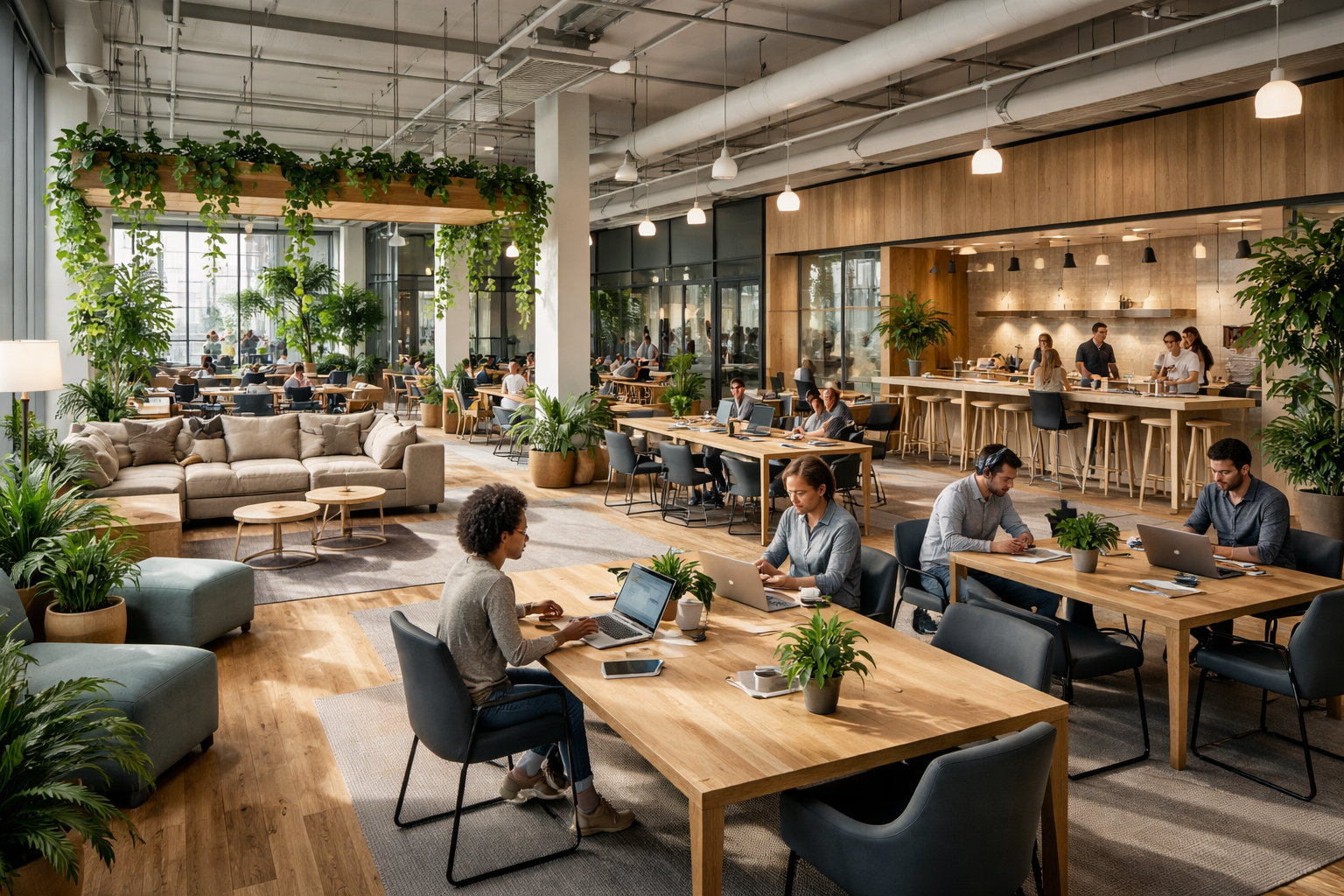
6. Natural Lighting and Biophilic Design
Lighting plays a powerful role in productivity and mood.
Spaces filled with natural light and greenery feel more energetic, welcoming, and inspiring.
Modern coworking design should incorporate:
- Large windows and open layouts
- Indoor plants and green walls
- Natural materials like wood and stone
- Soft, balanced artificial lighting
From our experience at Dimensional Architects, introducing biophilic elements not only enhances aesthetics but also significantly improves the work environment.
People naturally feel more relaxed and focused in spaces connected to nature.
7. Breakout Zones and Relaxation Areas
Work cannot happen continuously without pauses.
Professionals working in coworking environments appreciate having informal spaces where they can relax, recharge, or have casual conversations.
Breakout areas may include:
- Lounge seating
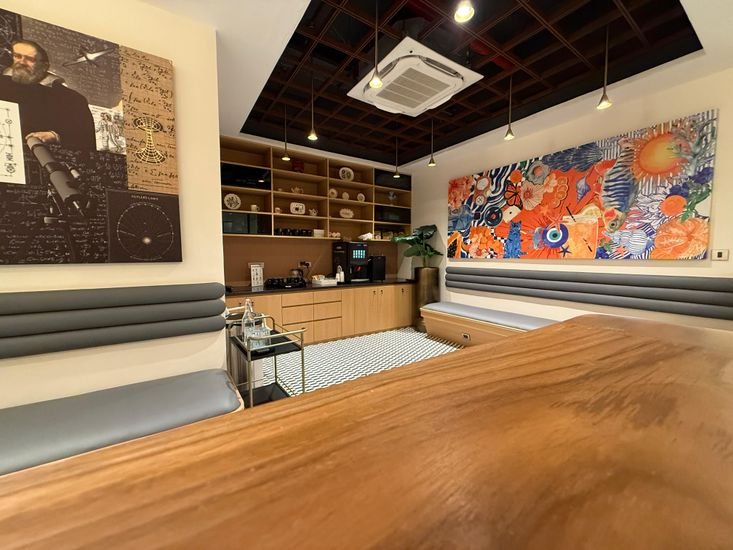
- Coffee corners
- Informal seating pods
- Game or relaxation areas
When Dimensional Architects designs coworking interiors, we always encourage operators to create these micro-relaxation spaces. These zones often become social hubs that strengthen the community inside the workspace.
8. Community and Networking Spaces
One of the biggest reasons people join coworking spaces is community.
Unlike traditional offices, coworking spaces encourage interaction, networking, and collaboration among professionals from different industries.
Design plays a big role in encouraging these connections.
Some effective design ideas include:
- Shared lounges
- Event spaces
- Community tables
- Open café-style areas
In vibrant business districts like BKC, Mumbai, we’ve observed that coworking spaces thrive when they create environments where professionals can naturally meet and exchange ideas.
According to Dimensional Architects, designing for community interaction is just as important as designing for work.
9. Smart Storage and Workspace Organization
Cluttered spaces reduce productivity and create visual chaos.
Modern coworking spaces should offer smart storage solutions that help members keep their work organized.
These may include:
- Personal lockers
- Storage cabinets
- Cable management systems
- Hidden storage furniture
In many of our projects, Dimensional Architects focuses on integrating storage within the design itself, ensuring that the workspace remains clean, organized, and visually appealing.
10. Wellness-Focused Design Elements
The future of workspace design is wellness-focused environments.
People today are increasingly aware of how their surroundings affect their physical and mental health.
Modern coworking spaces should include:
- Good air circulation
- Natural lighting
- Comfortable seating
- Relaxation zones
- Green design elements
Through several workspace projects, Dimensional Architects has seen that members are far more satisfied when the environment supports both productivity and well-being.
A healthy workspace is no longer optional — it is essential.
Conclusion: Designing Coworking Spaces That Truly Work
Coworking spaces are no longer just shared offices. They are dynamic ecosystems where ideas grow, businesses start, and communities build connections.
The difference between an average coworking space and a successful one often lies in how thoughtfully it is designed.
From ergonomic workstations and flexible layouts to acoustic comfort and community spaces, every element contributes to the overall experience.
At Dimensional Architects, our approach to coworking space design focuses on creating environments that balance productivity, comfort, collaboration, and aesthetics. By applying real-world insights from our projects, we help businesses build workspaces that not only look impressive but also function beautifully in daily life.
As cities continue to evolve and flexible work becomes the new normal, investing in smart coworking space design will be one of the most important decisions for workspace operators and businesses alike.
And when done right, a thoughtfully designed coworking space becomes far more than an office — it becomes a place where people genuinely love to work.