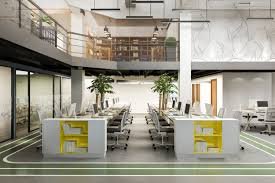
Commercial Interior Design Guide: From Concept to Execution
Commercial Interior Design Guide: From Concept to Execution
Commercial interior design plays a critical role in shaping how a business functions, how employees perform, and how clients perceive a brand. A well-designed commercial space is not just visually appealing—it is strategic, efficient, and aligned with business goals. From offices and coworking spaces to retail outlets and corporate headquarters, commercial interior design requires a structured approach from concept to execution.
This guide walks you through the entire commercial interior design process, helping business owners, developers, and decision-makers understand what goes into creating high-performing commercial spaces.
What Is Commercial Interior Design?
Commercial interior design focuses on planning and designing interior spaces used for business purposes. These include offices, IT parks, coworking spaces, retail stores, hospitality spaces, clinics, and corporate environments. Unlike residential interiors, commercial design prioritizes functionality, compliance, scalability, and brand representation.
A successful commercial interior balances aesthetics with operational efficiency while adhering to safety regulations and building codes.
Step 1: Understanding Client Requirements and Business Objectives
The foundation of any commercial interior project begins with a deep understanding of the client’s needs.
Key aspects assessed at this stage include:
Nature of the business and industry
Number of employees and future expansion plans
Workflow patterns and departmental requirements
Brand identity and company culture
Budget expectations and project timelines
This discovery phase ensures the design aligns with business operations, not just visual preferences.
SEO keywords: commercial interior design planning, office interior requirements
Step 2: Site Analysis and Space Assessment
Once requirements are defined, the designer conducts a detailed site analysis. This includes:
Measuring the carpet area and built-up area
Studying structural elements such as columns and beams
Understanding natural light, ventilation, and access points
Reviewing base building provisions (HVAC, fire systems, electrical)
Site analysis helps identify constraints and opportunities, allowing designers to optimize space planning and avoid costly execution errors later.
Step 3: Concept Development and Design Strategy
Concept development translates requirements into a visual and spatial direction. This phase sets the tone for the entire project.
Key deliverables include:
Space planning and zoning layouts
Design themes and mood boards
Color palettes and material concepts
Preliminary furniture and lighting ideas
For offices, this may involve defining zones such as workstations, cabins, meeting rooms, reception areas, breakout spaces, and support zones.
SEO keywords: commercial interior concepts, office space planning
Step 4: Space Planning and Layout Design
Space planning is the backbone of commercial interior design. A well-planned layout improves productivity, movement, and collaboration.
Important considerations include:
Ergonomic workstation planning
Efficient circulation paths
Privacy vs collaboration balance
Accessibility and universal design
Flexibility for future growth
Smart space planning ensures optimal use of square footage, especially in premium commercial locations where space efficiency directly impacts cost.
Step 5: Material Selection and Finishes
Material selection affects durability, maintenance, acoustics, and aesthetics. In commercial interiors, materials must be robust and compliant with safety standards.
Common materials include:
Flooring (carpet tiles, vinyl, stone, laminate)
Wall finishes (paint, panels, glass partitions)
Ceiling systems (gypsum, grid ceilings, acoustic panels)
Furniture and joinery finishes
Sustainable and low-maintenance materials are increasingly preferred for long-term value and environmental responsibility.
SEO keywords: commercial interior materials, office interior finishes
Step 6: Lighting, Electrical, and HVAC Integration
Technical coordination is a crucial phase often overlooked by clients but vital to project success.
Key elements include:
Task lighting and ambient lighting planning
Energy-efficient lighting solutions
Electrical load planning and data points
HVAC zoning for thermal comfort
Fire safety and emergency systems
Proper coordination between interior designers, MEP consultants, and contractors prevents clashes and ensures seamless execution.
Step 7: Budgeting and Cost Control
Commercial interior projects require disciplined budget management. A detailed Bill of Quantities (BOQ) helps clients understand cost distribution across categories such as civil work, furniture, MEP services, and finishes.
Cost control strategies include:
Value engineering without compromising quality
Phased execution planning
Selecting durable materials to reduce lifecycle costs
Transparent vendor and contractor coordination
A realistic budget aligned with design intent avoids delays and last-minute compromises.
SEO keywords: commercial interior cost, office interior budget
Step 8: Execution and Project Management
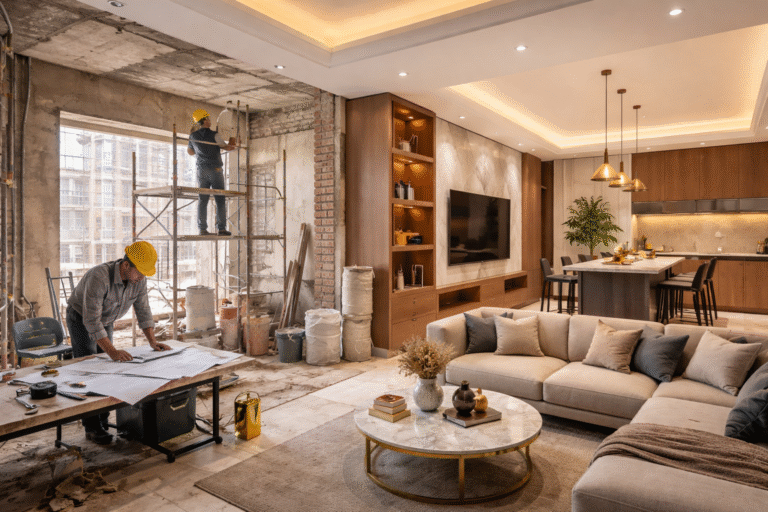
Execution is where design becomes reality. Strong project management ensures timelines, quality, and budgets are maintained.
Execution involves:
Site mobilization and scheduling
Civil and partition work
Electrical, HVAC, and plumbing installations
Furniture manufacturing and installation
Regular site supervision and quality checks
Experienced commercial interior designers act as coordinators between clients, vendors, and contractors to ensure smooth delivery.
Step 9: Quality Control and Final Handover
Before handover, the project undergoes thorough quality checks:
Finish quality and workmanship inspection
Functional testing of lighting, HVAC, and systems
Snag list preparation and rectification
Compliance with approved drawings and standards
A proper handover includes as-built drawings, warranties, and maintenance guidelines to support long-term operations.
Step 10: Post-Occupancy Evaluation
Post-occupancy evaluation assesses how well the space performs after usage begins. Feedback from employees and management helps understand:
Comfort and productivity levels
Space efficiency and workflow success
Maintenance challenges
Scope for future improvements
This step ensures continuous improvement and long-term client satisfaction.
Why Professional Commercial Interior Design Matters
A professionally designed commercial interior delivers measurable benefits:
Improved employee productivity and well-being
Stronger brand presence and client confidence
Efficient space utilization
Compliance with safety and building norms
Higher return on investment over time
Commercial interior design is not an expense—it is a strategic business investment.
How to Choose the Right Commercial Interior Designer
When selecting a commercial interior designer, consider:
Proven experience in similar projects
Understanding of business workflows
Strong project management capability
Transparent costing and timelines
End-to-end design and execution support
The right partner ensures your vision is executed with precision, quality, and accountability.
Conclusion
Commercial interior design is a structured journey—from understanding business needs to delivering a functional, future-ready workspace. Each phase, from concept to execution, plays a vital role in creating environments that support productivity, reflect brand values, and adapt to evolving business demands.
Investing in a thoughtful commercial interior design process ensures your workspace works as hard as you do.