
Short-Term vs Long-Term Coworking Plans: Which Is Better?
Short-Term vs Long-Term Coworking Plans: Which Is Better?
Choosing the right coworking plan can feel confusing, especially when you are trying to balance flexibility, cost, and future growth. With coworking spaces offering both short-term and long-term plans, businesses often ask the same question: Which one is better?
The truth is, there is no one-size-fits-all answer. The best option depends on your business stage, team size, budget, and long-term vision. This blog breaks down both plans in a simple and friendly way to help you decide what works best for you.
Understanding Coworking Plans
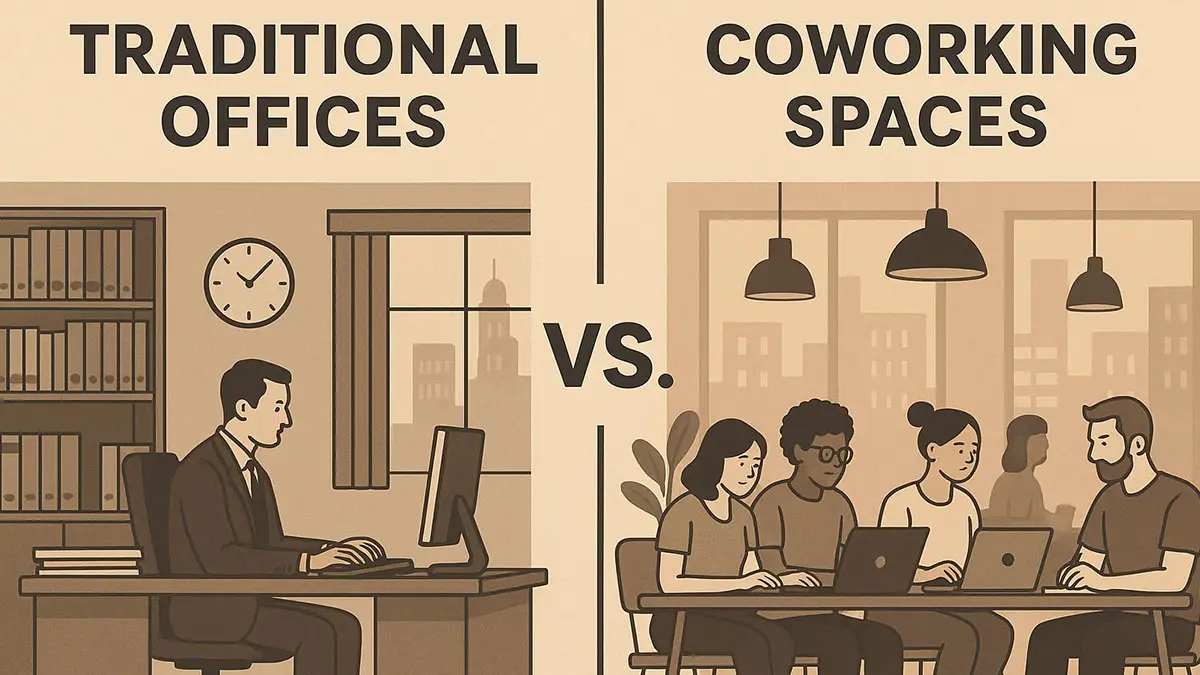
Coworking spaces are designed to offer flexibility. Unlike traditional offices, they allow businesses to choose how long they want to stay and how many seats they need.
Generally, coworking plans fall into two categories:
Short-term plans (daily, weekly, or monthly)
Long-term plans (6 months, 12 months, or more)
Each option has its own advantages, and knowing how they work can help you make a smarter decision.
What Are Short-Term Coworking Plans?
Short-term coworking plans are ideal for businesses or individuals who need a workspace for a limited period. These plans usually run on a daily, weekly, or monthly basis and can be upgraded or canceled easily.
They are popular among:
Freelancers and consultants
Startups in the early stage
Remote workers
Project-based teams
Businesses testing a new location
The biggest benefit of short-term plans is flexibility.
Benefits of Short-Term Coworking Plans
One of the main reasons businesses choose short-term coworking is the freedom it offers.
High flexibility
You are not locked into long commitments. If your team size changes or your plans shift, you can adjust quickly.
Lower risk
Short-term plans reduce financial risk, especially for new businesses that are still experimenting with their business model.
Quick setup
You can start working immediately without worrying about long leases, deposits, or fit-outs.
Perfect for testing
If you are unsure about a location, coworking environment, or team requirements, a short-term plan lets you test before committing.
Limitations of Short-Term Coworking Plans
While short-term plans are convenient, they are not always the most cost-effective option.
Higher per-seat cost
Short-term plans usually cost more per seat compared to long-term agreements.
Limited customization
You may not get branded spaces or dedicated layouts.
Uncertain availability
During peak demand, seat availability may vary.
For businesses planning steady growth, these limitations can become a challenge over time.
What Are Long-Term Coworking Plans?
Long-term coworking plans typically run for 6 months to 24 months and are designed for businesses that want stability without committing to traditional office leases.
These plans are suitable for:
Growing startups
SMEs
Corporate teams
Businesses with stable headcounts
Long-term plans offer a balance between flexibility and cost efficiency.
Benefits of Long-Term Coworking Plans
Long-term coworking plans are often chosen by businesses that have clarity on their team size and operational needs.
Lower cost per seat
One of the biggest advantages is better pricing. Long-term plans are usually more economical than short-term ones.
Dedicated spaces
You can get private cabins, team offices, or dedicated desks for your team.
Brand presence
Long-term members often have the option to customize branding elements like logos, wall graphics, and reception signage.
Stability and consistency
Your team works in the same environment every day, improving comfort, productivity, and culture.
Limitations of Long-Term Coworking Plans
Although flexible compared to traditional offices, long-term coworking plans still require commitment.
Reduced flexibility
If your team size changes suddenly, adjustments may involve renegotiation.
Commitment period
Exiting early may involve notice periods or penalties, depending on the agreement.
Less suitable for uncertain businesses
If your business model or funding is uncertain, long-term plans may feel restrictive.
Cost Comparison: Short-Term vs Long-Term
Cost is often the deciding factor.
Short-term plans:
Higher monthly or daily rates
Ideal for small teams or individuals
Better for short projects or temporary needs
Long-term plans:
Lower per-seat cost
Better budgeting and predictability
Suitable for stable or growing teams
If you are staying for more than a few months, long-term plans usually offer better value.
Which Plan Is Better for Startups?
For early-stage startups, short-term plans are often the best choice. They provide flexibility while founders focus on validating ideas, building teams, and securing funding.
As the startup grows and headcount becomes stable, shifting to a long-term coworking plan makes more sense financially and operationally.
Which Plan Is Better for SMEs and Enterprises?
SMEs and corporate teams usually benefit more from long-term coworking plans. These plans provide:
Dedicated team spaces
Professional image
Cost efficiency
Scalability within the same coworking network
Many enterprises also use a mix of long-term plans for core teams and short-term plans for project teams.
How to Choose the Right Coworking Plan
Ask yourself a few simple questions:
How stable is my team size?
Am I testing or expanding?
What is my budget?
Do I need branding and privacy?
How long do I realistically plan to stay?
If flexibility is your priority, short-term plans are better. If cost efficiency and stability matter more, long-term plans are the smarter choice.
A Hybrid Approach Works Too
Many businesses today choose a hybrid coworking strategy—starting with short-term plans and gradually moving into long-term agreements once they gain clarity.
This approach combines flexibility with long-term savings and is becoming increasingly popular.
Conclusion
Both short-term and long-term coworking plans serve different business needs. Short-term plans offer freedom, speed, and low risk, making them ideal for freelancers, startups, and temporary teams. Long-term plans provide stability, cost savings, and a stronger professional presence, making them suitable for growing businesses and enterprises.
The best plan is not about choosing what is cheaper or longer—it is about choosing what aligns with your business goals today and tomorrow. Coworking spaces are designed to adapt, and with the right plan, they can support your journey at every stage of growth.