
How Coworking Spaces Support Hybrid Work Models
How Coworking Spaces Support Hybrid Work Models
The way we work has changed forever. The traditional 9-to-5 office setup is no longer the default, and businesses across industries are embracing hybrid work models—a flexible approach that allows employees to split their time between remote work and physical office spaces. As this shift accelerates, coworking spaces have emerged as a powerful solution that bridges the gap between remote flexibility and in-office collaboration.
In this blog, we explore how coworking spaces support hybrid work models, why they are becoming essential for modern businesses, and how they help organizations remain agile, productive, and cost-efficient.
What Is a Hybrid Work Model?
A hybrid work model combines remote work and on-site work, giving employees the flexibility to choose where they work based on their tasks, schedules, and preferences. Instead of requiring everyone to be in the office every day, companies may ask teams to come in only for meetings, collaboration, or specific projects.
This model offers several benefits:
Improved work-life balance
Higher employee satisfaction
Reduced real estate costs
Access to a wider talent pool
However, hybrid work also comes with challenges—such as maintaining collaboration, ensuring productivity, and providing professional infrastructure. This is where coworking spaces play a critical role.
Why Coworking Spaces Are Ideal for Hybrid Work
Coworking spaces are designed around flexibility, scalability, and collaboration—the exact requirements of hybrid work environments. Unlike traditional offices, they allow businesses to pay only for what they use while still offering a professional and fully equipped workspace.
Let’s explore how coworking spaces actively support hybrid work models.
1. Flexible Workspace Solutions
One of the biggest advantages of coworking spaces is their flexible membership plans. Businesses can choose from:
Hot desks
Dedicated desks
Private cabins
Meeting rooms on demand
This flexibility allows companies to accommodate employees who come to the office only a few days a week. Instead of paying for a large, underutilized office, organizations can scale space usage up or down based on attendance.
For hybrid teams, this means:
No wasted office space
Lower operational costs
Easy expansion or downsizing
2. Cost Efficiency for Businesses
Hybrid work reduces the need for permanent office setups, and coworking spaces help maximize these savings. Traditional offices involve long-term leases, high deposits, maintenance costs, and utility bills. In contrast, coworking spaces offer all-inclusive pricing.
Coworking memberships typically include:
High-speed internet
Office furniture
Housekeeping and maintenance
Utilities and security
Reception and admin support
This cost-effective model is especially beneficial for startups, SMEs, and growing enterprises adapting to hybrid work.
3. Professional Infrastructure for Remote Teams
While remote work is convenient, not all employees have access to a productive home office. Coworking spaces provide a professional work environment without the rigidity of a full-time office.
Key infrastructure benefits include:
Ergonomic seating and workstations
Quiet zones and focus pods
Video conferencing facilities
Power backup and IT support
Employees can choose to work from a coworking space on days they need focus, client meetings, or a change of environment—enhancing productivity without sacrificing flexibility.
4. Collaboration Without Full-Time Office Presence
One of the biggest concerns with hybrid work is maintaining team collaboration and company culture. Coworking spaces are designed to encourage interaction while respecting individual work styles.
Features that support collaboration include:
Well-equipped meeting rooms
Brainstorming and breakout areas
Event and training spaces
Informal lounges and cafés
Teams can come together for strategy meetings, workshops, or onboarding sessions without requiring daily office attendance.
5. Multiple Locations for Distributed Teams
Many coworking operators offer multiple locations across cities. This is a major advantage for hybrid and distributed teams.
Employees can:
Work from a coworking space closer to home
Avoid long daily commutes
Choose locations convenient for meetings
For businesses, this means maintaining a physical presence without being limited to a single office. It also supports regional expansion without heavy real estate investment.
6. Improved Employee Experience and Wellbeing
Hybrid work is not just about flexibility—it’s also about employee wellbeing. Coworking spaces create an environment that balances productivity with comfort.
Most modern coworking spaces offer:
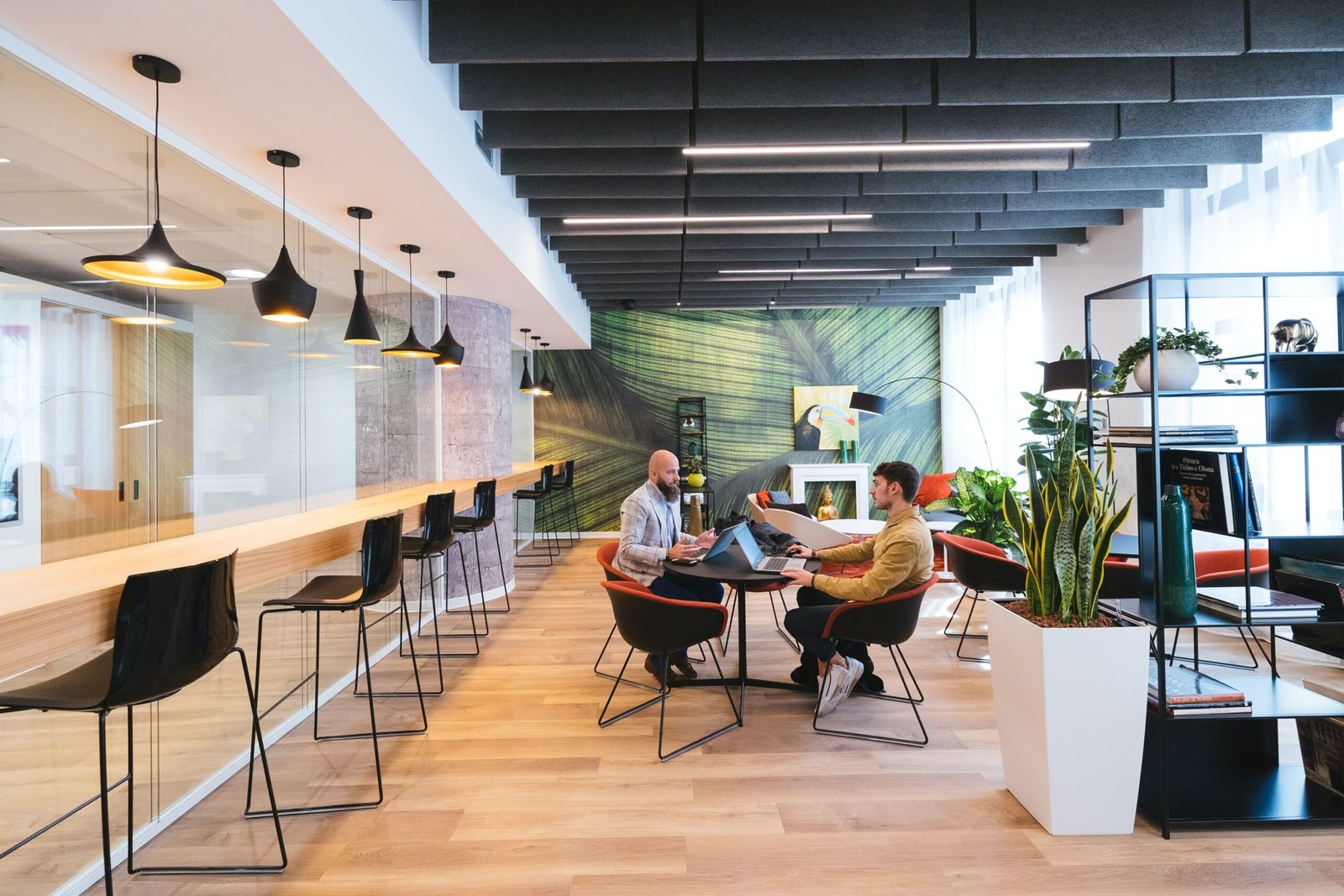
Natural lighting and modern interiors
Wellness rooms and breakout zones
On-site cafés or pantry services
Community events and networking opportunities
These features help reduce isolation often associated with remote work and improve overall employee engagement.
7. Technology-Enabled Hybrid Work
Technology is the backbone of hybrid work, and coworking spaces are built to support it. From seamless Wi-Fi to smart meeting room booking systems, coworking spaces enable smooth collaboration between in-office and remote employees.
Tech advantages include:
High-speed, secure internet
Video conferencing setups
Access control and security systems
Cloud-based workspace management
This ensures hybrid teams stay connected, productive, and efficient regardless of where they work from.
8. Scalability for Growing Businesses
Hybrid work models often evolve over time. A company may start with a small team coming in occasionally and later increase on-site presence as it grows. Coworking spaces support this growth effortlessly.
Businesses can:
Add more desks or cabins when needed
Upgrade to larger private offices
Book additional meeting rooms
This scalability makes coworking spaces a future-proof solution for organizations navigating changing work patterns.
9. Access to Business Communities and Networking
Coworking spaces are more than just offices—they are business communities. Members benefit from networking with professionals from diverse industries, which can lead to collaborations, partnerships, and growth opportunities.
For hybrid workers, this social and professional interaction adds value beyond just a place to work.
The Future of Hybrid Work and Coworking Spaces
As companies continue to redefine how work gets done, hybrid models are expected to become the norm rather than the exception. Coworking spaces will play a crucial role in supporting this transition by offering flexibility, infrastructure, and community.
From startups to large enterprises, businesses are increasingly choosing coworking spaces as their hybrid work headquarters—a place that adapts to modern work needs without compromising on professionalism or productivity.
Conclusion
Hybrid work models require a smart balance between flexibility and structure. Coworking spaces provide the perfect solution by offering adaptable workspaces, cost efficiency, professional infrastructure, and collaborative environments.
By supporting employees wherever they choose to work, coworking spaces help businesses stay agile, attract talent, and thrive in the evolving world of work. As hybrid work continues to grow, coworking spaces will remain at the heart of this transformation.