Commercial Interior Design for IT Offices: Where Function Meets Style
Commercial Interior Design for IT Offices: Where Function Meets Style
In today’s fast-paced digital world, IT offices are no longer just spaces filled with desks and computers. They are innovation hubs where creativity, collaboration, and productivity must seamlessly coexist. This is where commercial interior design for IT offices plays a crucial role—blending functionality with modern aesthetics to create workspaces that inspire performance and reflect a company’s tech-driven identity.
A well-designed IT office interior not only enhances employee efficiency but also strengthens brand image, supports scalability, and improves overall workplace well-being. Let’s explore how smart commercial interior design ensures that function truly meets style in IT offices.
Understanding the Needs of IT Office Spaces
Unlike traditional corporate offices, IT workplaces have unique operational requirements. Employees often work long hours, handle complex tasks, and rely heavily on technology. Therefore, the interior design must support:
Ergonomic comfort
High-end technological infrastructure
Flexible work environments
Collaboration and innovation
Future scalability
A successful IT office interior design balances these practical needs with contemporary design elements to create a space that is both efficient and visually appealing.
Smart Space Planning: The Foundation of Functional Design
Effective space planning is the backbone of any commercial interior design project. For IT offices, it involves strategically organizing workstations, meeting rooms, breakout zones, server rooms, and recreational areas.
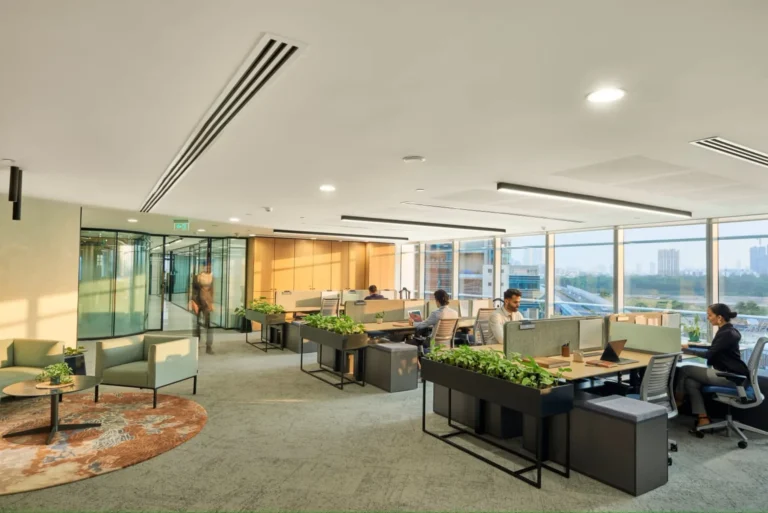
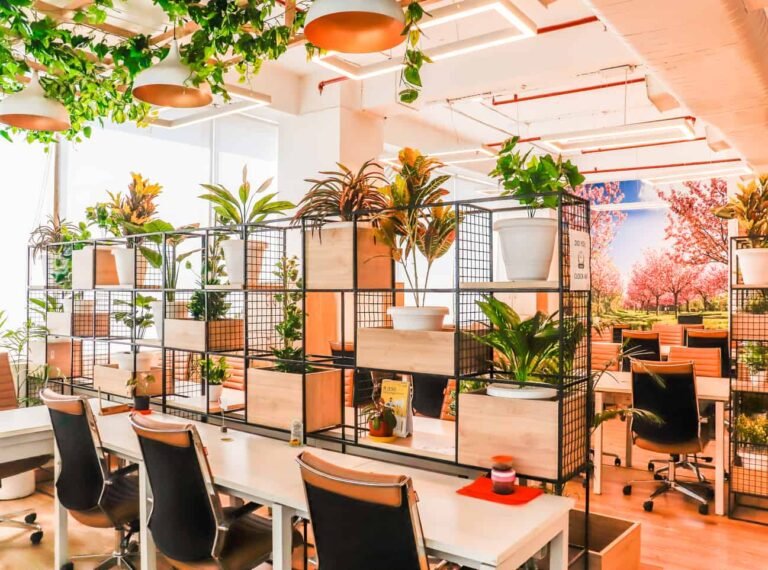
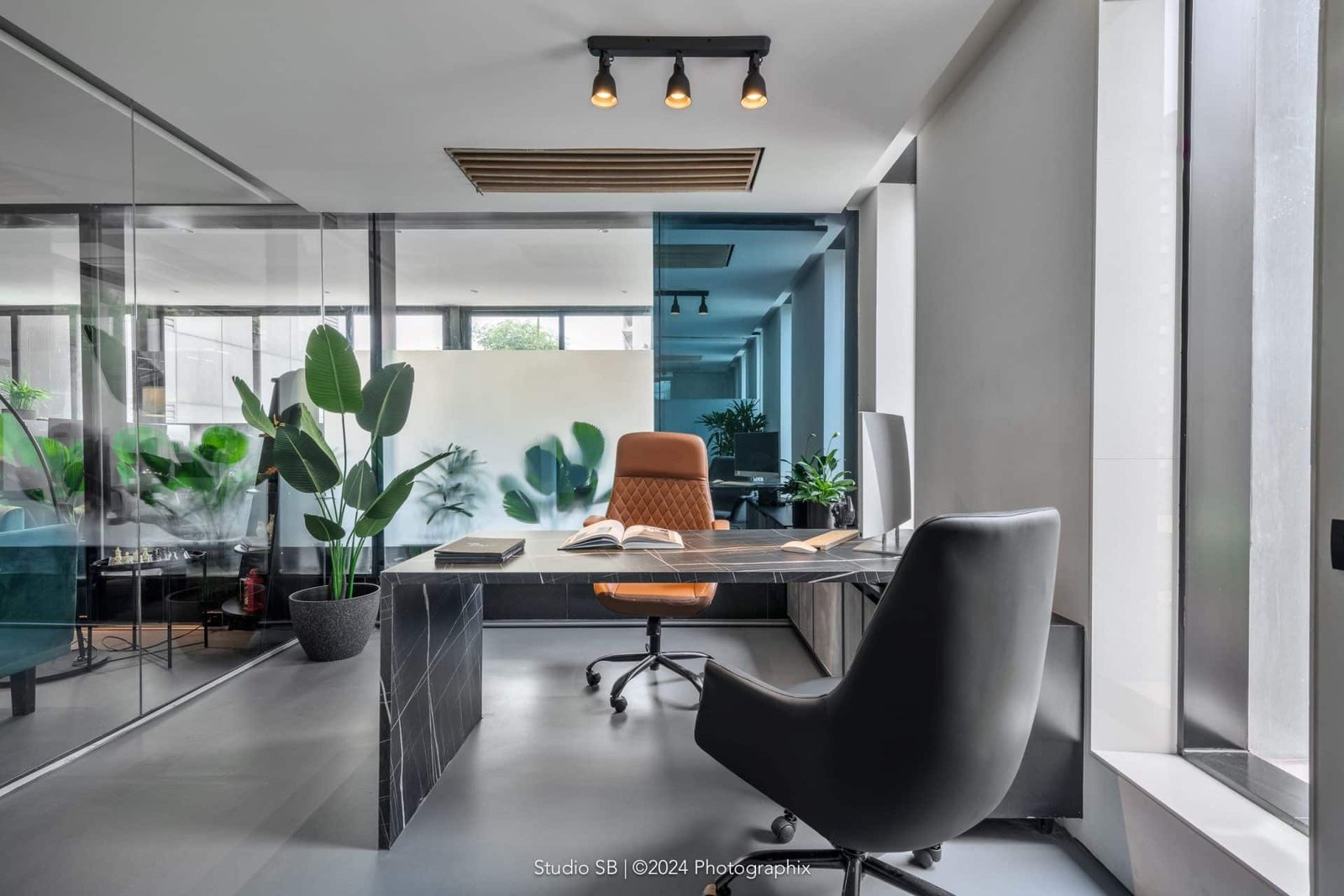
Open-plan layouts are commonly preferred as they encourage collaboration and communication. However, they must be thoughtfully designed to reduce noise and distractions. Glass partitions, acoustic panels, and designated quiet zones help strike the perfect balance between openness and privacy.
Optimized space planning also ensures smooth movement within the office, better supervision, and maximum utilization of available square footage—especially crucial in metro cities like Mumbai where office space comes at a premium.
Ergonomics: Enhancing Productivity and Employee Well-Being
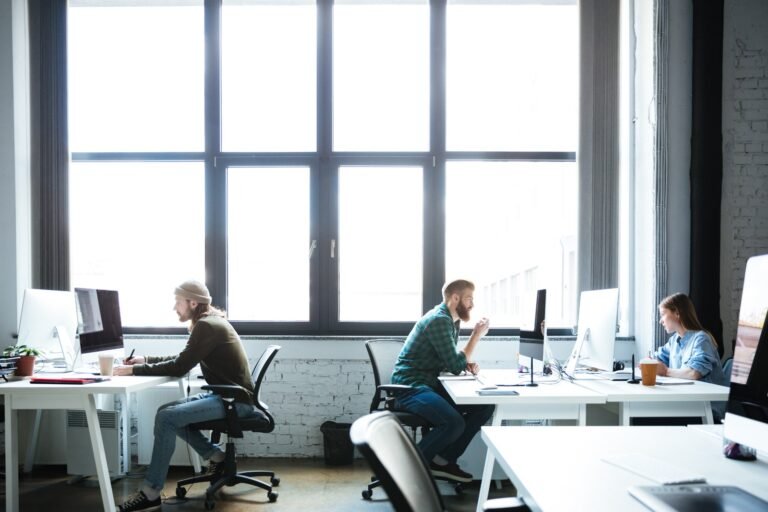
Employee comfort directly impacts productivity, especially in IT offices where professionals spend extended hours at their desks. Ergonomic office interior design is no longer optional—it’s essential.
Key ergonomic elements include:
Adjustable workstations and chairs
Proper desk heights and monitor placements
Adequate legroom and movement space
Anti-glare lighting solutions
An ergonomically designed IT office reduces health issues such as back pain, eye strain, and fatigue, leading to higher job satisfaction and lower absenteeism.
Technology-Driven Interior Design Solutions
Technology is at the heart of IT offices, and commercial interior design must support seamless integration of digital infrastructure. From structured cabling to smart lighting systems, every design decision should complement technological efficiency.
Important considerations include:
Concealed wiring and cable management
Dedicated server and data rooms
Smart lighting and climate control systems
AV-equipped meeting and conference rooms
A clean, clutter-free environment not only looks professional but also supports smooth day-to-day operations.
Modern Aesthetics That Reflect Brand Identity
While functionality is critical, style plays an equally important role in IT office interiors. The design should reflect the company’s brand values, culture, and innovation mindset.
Modern IT offices often feature:
Sleek furniture and minimalistic layouts
Brand colors integrated into walls, furniture, or décor
Creative wall graphics, murals, or motivational quotes
Contemporary materials like glass, metal, and polished wood
A visually engaging office environment boosts morale, impresses clients, and helps attract top talent in a competitive IT market.
Lighting Design: A Perfect Blend of Function and Mood
Lighting is a vital component of commercial interior design for IT offices. Poor lighting can lead to eye strain and reduced efficiency, while well-planned lighting enhances focus and energy levels.
An ideal lighting strategy includes:
Maximum use of natural daylight
LED task lighting at workstations
Ambient lighting for common areas
Accent lighting to highlight design elements
Smart lighting solutions also help reduce energy consumption, making the office more sustainable and cost-effective.
Acoustic Solutions for Focused Work
Noise can be a major challenge in open IT office layouts. Effective acoustic planning ensures a quieter and more productive work environment.
Popular acoustic solutions include:
Sound-absorbing ceiling panels
Carpeted flooring or acoustic tiles
Fabric wall panels and partitions
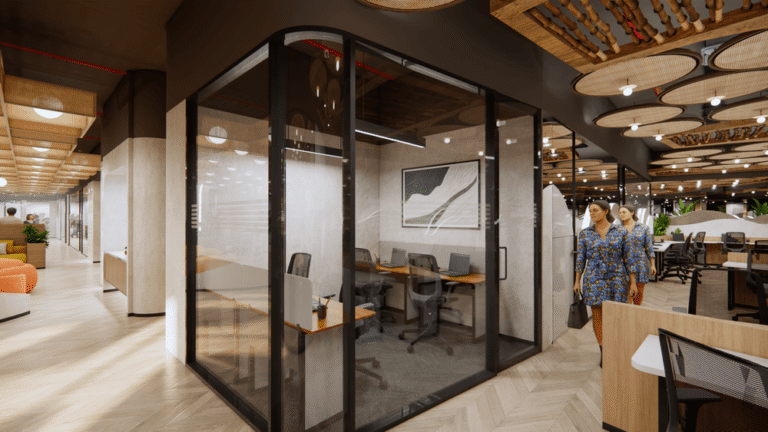
Phone booths and quiet rooms
By controlling noise levels, interior designers create spaces that support both teamwork and deep concentration.
Breakout Zones and Collaborative Spaces
Modern IT offices prioritize employee well-being and creativity. Breakout zones, collaboration areas, and informal meeting spaces are now integral parts of commercial interior design.
These areas may include:
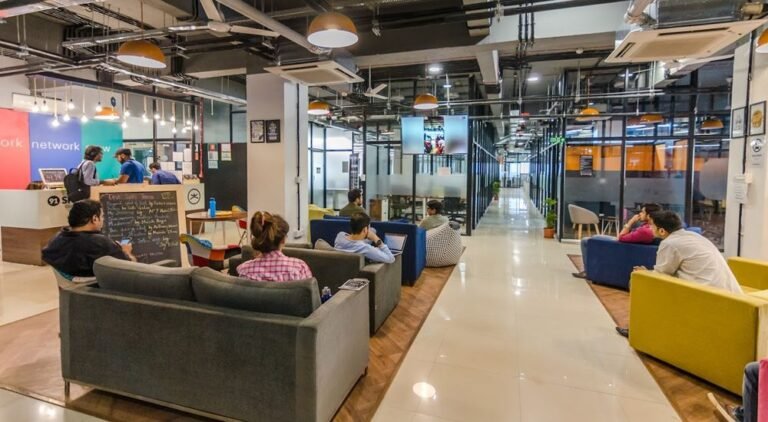
Lounge seating and café-style zones
Brainstorming rooms with writable walls
Gaming or relaxation corners
Pantry and cafeteria spaces
Such zones encourage idea-sharing, reduce stress, and foster a positive workplace culture.
Sustainable and Future-Ready Design Approach
Sustainability is becoming a key consideration in commercial interior design for IT offices. Eco-friendly materials, energy-efficient systems, and sustainable practices not only reduce environmental impact but also lower long-term operational costs.
Future-ready design ensures flexibility and scalability, allowing offices to adapt to growth, hybrid work models, and evolving technology without major renovations.
Why Choose a Professional Commercial Interior Designer for IT Offices
Designing an IT office requires expertise, planning, and execution. A professional commercial interior design firm understands industry-specific needs and delivers end-to-end solutions—from concept and space planning to execution and handover.
Expert designers ensure:
Efficient project management
Compliance with safety and building norms
Optimal use of budget and space
Timely delivery with quality finishes
Conclusion: Creating IT Offices That Truly Inspire
Commercial interior design for IT offices is about more than just aesthetics—it’s about creating environments where function meets style. A thoughtfully designed IT workspace enhances productivity, supports innovation, strengthens brand identity, and improves employee satisfaction.
By combining smart space planning, ergonomic solutions, advanced technology integration, and modern design aesthetics, businesses can transform their IT offices into dynamic, future-ready workplaces.
If you’re planning to design or upgrade your IT office, investing in professional commercial interior design is the first step toward building a workspace that truly works for your business.